

Understanding EU & UK Sanctions Defense Navigating Legal Challenges 948600468

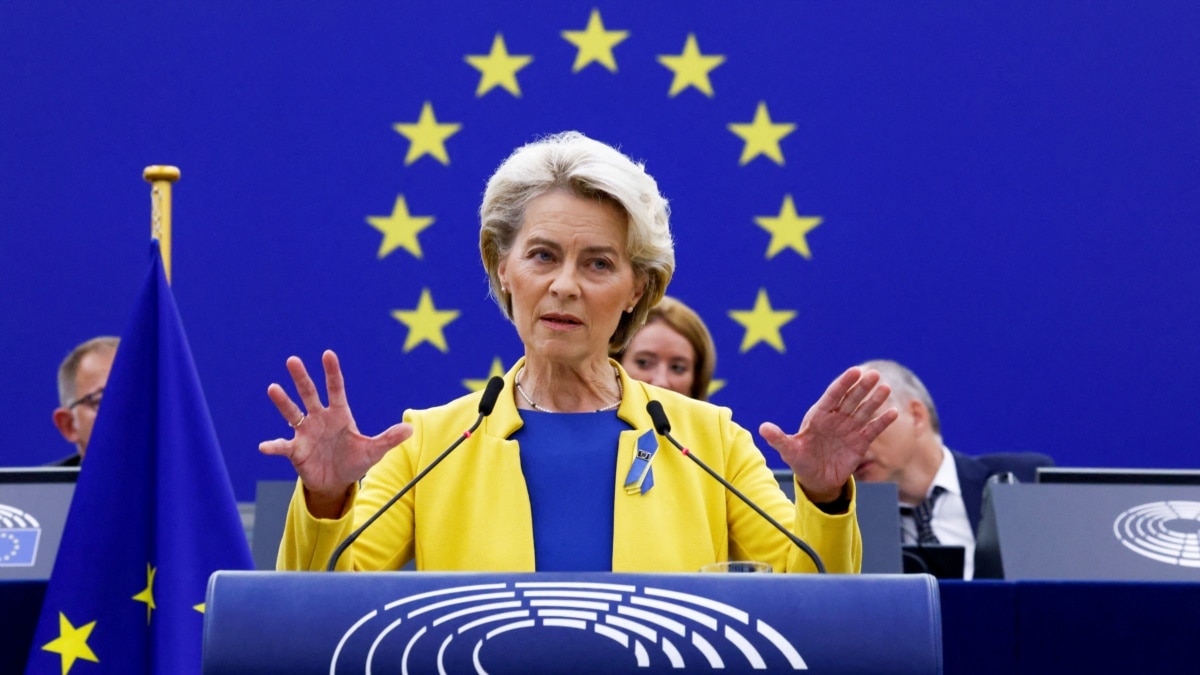
In an increasingly interconnected world, understanding the implications of EU and UK sanctions has become a critical priority for businesses and individuals alike. The legal landscape surrounding sanctions can be complex and ever-evolving, often posing significant challenges to compliance. Engaging a knowledgeable professional, such as a EU & UK Sanctions Defense Sanction Lawyer, can provide essential guidance in navigating these turbulent waters. This article aims to demystify the framework of EU and UK sanctions, exploring their objectives, types, and the defense mechanisms available for those facing sanction-related challenges.
The Framework of EU and UK Sanctions
Sanctions are tools employed by governments and international bodies to influence foreign policy, impose economic penalties, or exert pressure to uphold human rights. The European Union and the United Kingdom implement various sanctions regimes that range from trade restrictions to asset freezes and travel bans. Understanding the legal framework governing these sanctions is crucial for effective compliance and defense.
Types of Sanctions
Sanctions can broadly be categorized into several types, including:
- Economic Sanctions: These involve restrictions or prohibitions on trade, investment, and financial transactions aimed at specific countries or individuals. Economic sanctions can disrupt business operations and lead to significant financial losses.
- Individual Sanctions: Targeting specific individuals or entities, these sanctions typically include asset freezes and travel bans. Individuals subjected to sanctions often find themselves facing severe restrictions on their freedom to move and conduct business.
- Sectoral Sanctions: These sanctions focus on particular industries or sectors, restricting the ability of entities in those sectors to engage in business transactions. Examples may include limitations on the oil or arms sectors.
- Trade Sanctions: These involve the imposition of tariffs or quotas on imports and exports, affecting the flow of goods between countries.
Legal Implications of Sanctions
Businesses and individuals affected by sanctions must understand the significant legal implications. Non-compliance can lead to severe penalties, including hefty fines and criminal charges. Moreover, the reputational damage associated with sanctions violations can have long-lasting impacts on businesses, influencing their ability to operate in various markets.
Compliance Challenges
Compliance with sanctions necessitates comprehensive risk assessments and robust monitoring mechanisms. Organizations must implement stringent internal controls and due diligence processes to identify and mitigate risks associated with sanctions violations. This is particularly important given the increasing complexity of sanctions lists and the rapid changes in political landscapes that can trigger new sanctions or modify existing ones.
Understanding the Legal Framework
The legal basis for EU sanctions is primarily founded in the Common Foreign and Security Policy (CFSP), and their implementation is heavily reliant on Council Regulations. Similarly, UK sanctions are grounded in the Sanctions and Anti-Money Laundering Act 2018, which provides the UK Government with the powers to impose, update, and revoke sanctions.
Defending Against Sanction Allegations
For those facing allegations of sanctions violations, mounting an effective defense is crucial. Several strategies can be employed:
Legal Representation
Engaging experienced legal counsel who specializes in sanctions defense is vital. These professionals can provide advice tailored to the specific circumstances of the case, evaluate legal options, and represent clients in negotiations or litigation.
Preparing a Defense Strategy
A well-prepared defense strategy requires a thorough understanding of the relevant sanctions regime and the facts of the case. Essential steps may include gathering documentation, assessing compliance protocols, and identifying any mitigating factors that may apply.
Pursuing Appeals and Reviews
In cases where sanctions have been imposed erroneously or unjustly, clients may have the option to appeal the decision or seek a review through appropriate legal channels. Understanding the procedural aspects of these processes is essential in mounting an effective challenge.
Conclusion
As global tensions and geopolitical dynamics continue to evolve, the significance of EU and UK sanctions is poised to grow. Both individuals and businesses must prioritize compliance and be prepared for potential sanction-related challenges. With skilled legal counsel and a proactive approach, navigating the complexities of sanctions defense is attainable, ensuring that clients are well-positioned to adapt and respond to these multifaceted legal challenges.
